
Radical Transparency Blooms on Dirty Money Slur

Image crafted with the aid of Firefly by Adobe
Brand watchers may join the dots before you do. Understanding likely stakeholder reactions to the actions you take will help you avoid the kind of crisis that emerged for Oatly, a company committed to low environmental impact and animal free product development, when it took an investment from the world’s largest alternative asset manager Blackstone.
In 2002 when the Swedish sustainability brand Oatly [OTLY]) agreed to take an investment by a private equity consortium led by Blackstone, for a 7% minority share interest; they did not predict the backlash from some of their typically loyal supporters. The selection of Blackstone for a source of growth capital also surprised the markets, especially as CEO Stephen Schwartzman’s political affiliations would seem wholly in opposition to a company like Oatly
Opponents of the deal quickly focused on Blackstone’s investment in logistics company Hidrovias do Brasil, a barge operator in Northern Brazil involved in the northern arc project to transport soy and other grains from the Mato Grosso region. The company was linked to the paving of the BR-163 road route across the region that was alleged to carry soy grown on illegally deforested land. Blackstone had to publicly defend both its investment and the operations of Hidrovias, framing the paving of the road as a government project. Bizarrely Hidrovias was amongst a consortium of bidders for a maintenance contract just a year later but by then the debate had moved on..
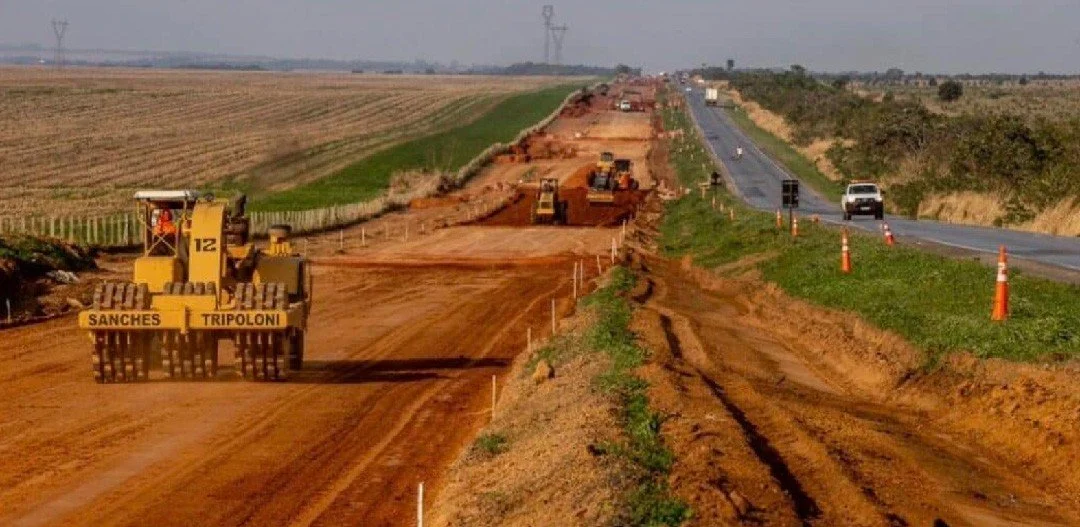
©UkrAgroConsult 15 May 2024
At this point Oatly wasn’t a publicly listed company so we can’t tell if the valuation of the business suffered, but the subsequent IPO netted the company a cool $10 Billion new investment. In all probability, their reputation was only tarnished amongst eco activists and some customers from their early adopter stage. Revenue growth since then implies that the public exposure the Blackstone investment caused might have helped them break into a higher volume consumer segment of alternate ‘milk’ consumers. Obviously Oatly’s public position of persuading an investor not formerly associated with sustainability into backing a sustainable brand likely resonated more than the activist view of selling out to big oil. It may have been an issue that the larger market didn’t see as dissuading their purchase and they may have been drawn to the Oatly brand in spite of the negative publicity.
Oatly took the unusual step of choosing radical transparency in relation to investments and other activist accusations. They launched an interactive website ‘fckoatly’, detailing the Blackstone Consortium minority investment, their climate goals, and exactly where the funding would be deployed.
Oatly’s position was that they were a beacon of the changing investment priorities by Blackstone, as they were their first major sustainable investment and drew parallels between Blackstone’s sustainable choice and the similar decisions made by their customers. Their website continues to document negative press and PR missteps around ingredient controversies and trademark disputes, but its revenues are holding up, and losses continue to diminish amongst rising revenues.
The Lesson
What this story illustrates is that sometimes brands can lose their early adopters yet still gain in the medium term by unlocking new markets. By doubling down on transparency and flexing the investment to a positive Oatly turned a negative story into a positive using their unconventional style of communications to directly address media negatives. The upshot was a successful IPO less than a year later.
Every company reaches crisis points, triggered by internal or external factors or a combination of both. But what they do at those inflection points can test the brand trust level and can resonate behind the brand to stakeholders and beyond. An error that companies can make during these times is rushing into a response and a series of decisions, rather than engaging the right support to help them navigate their options more broadly.
We should remember that reputation isn’t one view or perspective but can be framed differently by different stakeholders that can lead to a variety of responses. Understanding how reputational risk affects your stakeholders leads to response maps that are far more effective than a standalone press release or a solo public statement by a senior executive. When managed effectively, a consistent but tailored response can provide a vital base from which to rebuild relationships and drive the business forward.